


Understanding Canine Physical Therapy and Its Benefits for Your Dog

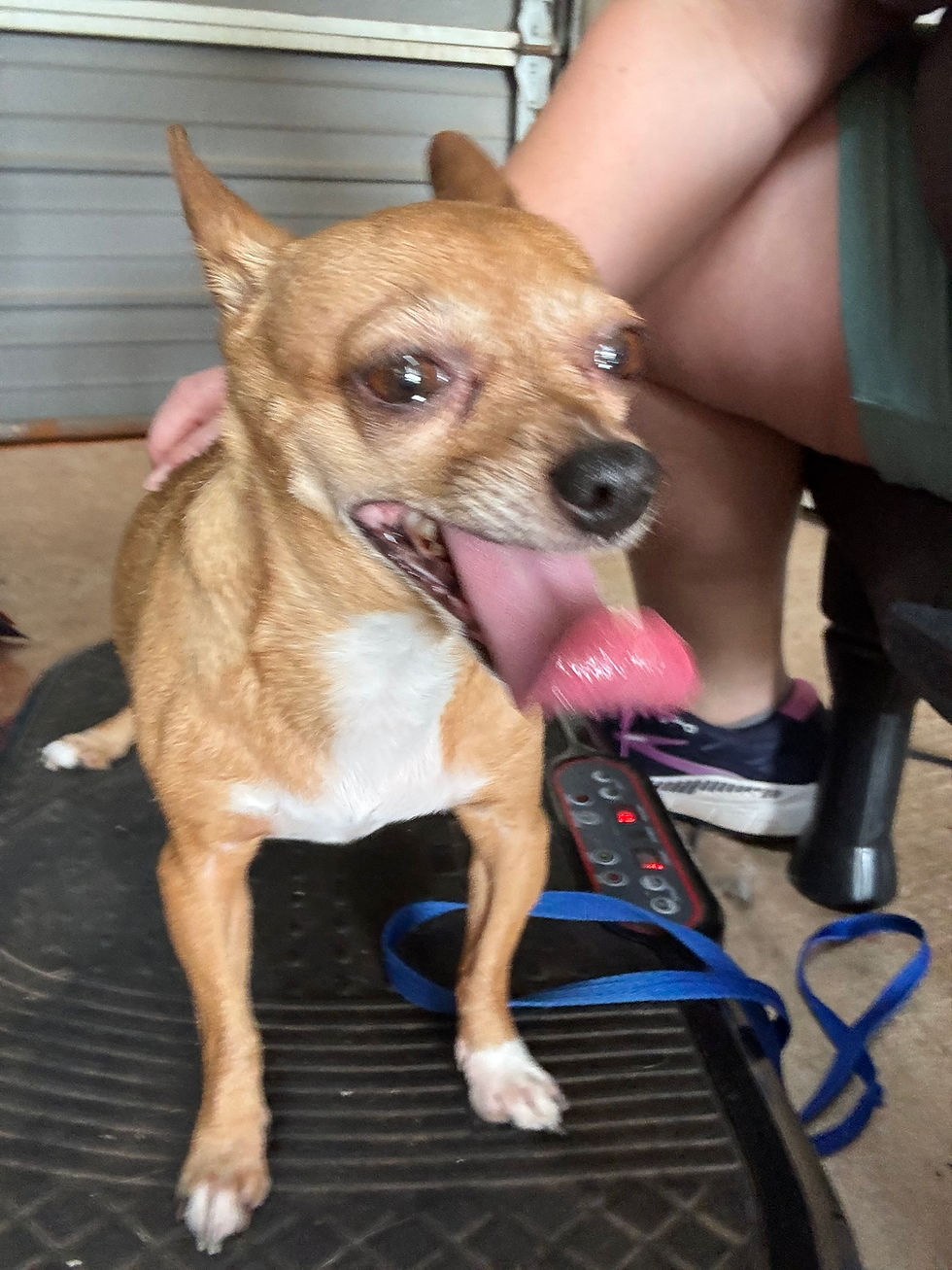
Dogs are more than pets; they are family members who deserve the best care possible. When your dog faces injury, surgery recovery, or chronic pain, canine physical therapy offers a valuable path to healing and improved quality of life. This post explains what canine physical therapy is, how it works, and why it can be a game-changer for your dog’s health.
What Is Canine Physical Therapy?
Canine physical therapy, also called canine rehabilitation, is a specialized form of treatment designed to help dogs recover from injuries, manage pain, and improve mobility. It uses techniques similar to those in human physical therapy but tailored to the unique anatomy and needs of dogs.
Physical therapists for dogs focus on restoring strength, flexibility, and function through exercises, manual therapy, and other modalities. The goal is to support healing, reduce discomfort, and prevent future problems.
Common Reasons Dogs Need Physical Therapy
Many dogs benefit from physical therapy at different stages of life or after specific events. Some common reasons include:
Post-surgery recovery: After procedures like cruciate ligament repair or hip replacement, therapy helps regain strength and movement.
Arthritis and joint pain: Therapy can ease stiffness and improve joint function in older dogs.
Injury rehabilitation: Sprains, fractures, or muscle strains respond well to targeted therapy.
Neurological conditions: Dogs with spinal injuries or nerve damage may regain coordination and balance.
Obesity and fitness: Therapy supports weight management and overall fitness, reducing strain on joints.
How Canine Physical Therapy Works
A certified canine physical therapist begins with a thorough evaluation of your dog’s condition. This includes assessing gait, muscle tone, joint range of motion, and pain levels. Based on this, they create a personalized treatment plan.
Key Techniques Used in Therapy
Therapeutic exercises: Controlled movements to strengthen muscles and improve flexibility.
Massage and manual therapy: Hands-on techniques to reduce muscle tension and improve circulation.
Cold laser therapy: Using cold laser to help reduce inflammation and improve healing
Electrical stimulation: Using mild electrical currents to promote muscle function and healing.
Each session is designed to be safe and comfortable for your dog, with progress monitored closely.
Benefits of Canine Physical Therapy
Physical therapy offers many benefits that go beyond simple recovery. Here are some of the key advantages:
Faster recovery times: Dogs often heal more quickly after surgery or injury when therapy is part of their care.
Improved mobility: Therapy helps dogs move more freely and with less pain.
Pain relief: Techniques used in therapy reduce inflammation and discomfort.
Enhanced muscle strength: Stronger muscles support joints and reduce the risk of future injuries.
Better quality of life: Dogs regain confidence and enjoy activities they love.
Prevention of further injury: Therapy can correct movement patterns that cause strain or damage.
What to Expect During a Therapy Session
Sessions usually last between 30 minutes and an hour, depending on your dog’s needs. The therapist will guide your dog through exercises and treatments, often involving you to continue care at home.
Your dog may start with gentle stretches and progress to more active exercises. Each session's structure will be determined based on goals as well as your pet's presentation that day. The therapist will also teach you how to support your dog’s recovery between visits.
How to Find a Qualified Canine Physical Therapist
Look for a therapist certified by recognized organizations such as the American College of Veterinary Sports Medicine and Rehabilitation (ACVSMR) or the Canine Rehabilitation Institute (CRI). Your veterinarian can provide referrals.
Make sure the therapist has experience with your dog’s specific condition and offers a clear treatment plan. Good communication and follow-up are essential for success.
Supporting Your Dog’s Recovery at Home
Your role in your dog’s physical therapy journey is crucial. Follow the therapist’s instructions carefully, including:
Performing prescribed exercises regularly
Managing your dog’s activity levels to avoid overexertion
Providing a comfortable, safe space for rest and recovery
Monitoring for any changes or signs of discomfort
Consistency and patience will help your dog get the most from therapy.
At Pawsitive Steps Canine Rehab, the home exercise program and clear communication are vital to the success for you pet. We provide hands on training for the exercises and have you perform the exercises on your dog during the session to ensure that you feel comfortable performing the exercises at home. We encourage you to reach out to us if you have any questions or if there have been any changes so that we can adapt the program to best meet your needs and your pet's needs.


Comments